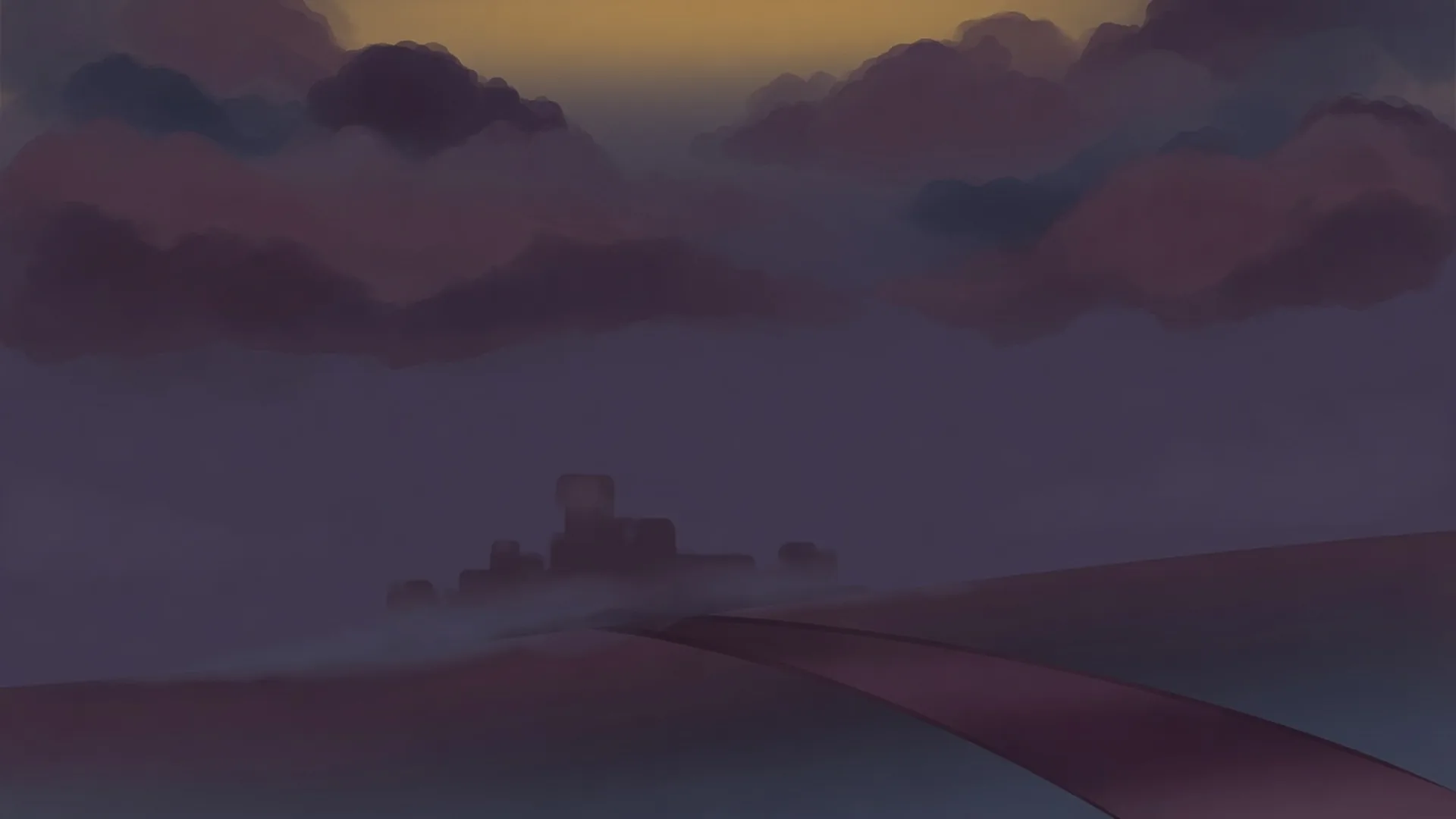

You will never be sent to kill ten wolves
Every trial asks you for one specific thing instead. Stand a full night’s watch. Carry a give it away, let it go, be the door, don’t ask twice. At least one per order has no damage requirement at all.
Two rules sit under everything, and six core systems. Open any of them for the full design; what is playable today is on the Progress page.
Every trial asks you for one specific thing instead. Stand a full night’s watch. Carry a give it away, let it go, be the door, don’t ask twice. At least one per order has no damage requirement at all.
Promotion only ever adds. A job is one step up your god’s class tree, and each job keeps forward only: you can never de-promote to farm somewhere soft. Downtime is not a difficulty setting: recovery lives inside the fight, not between fights.
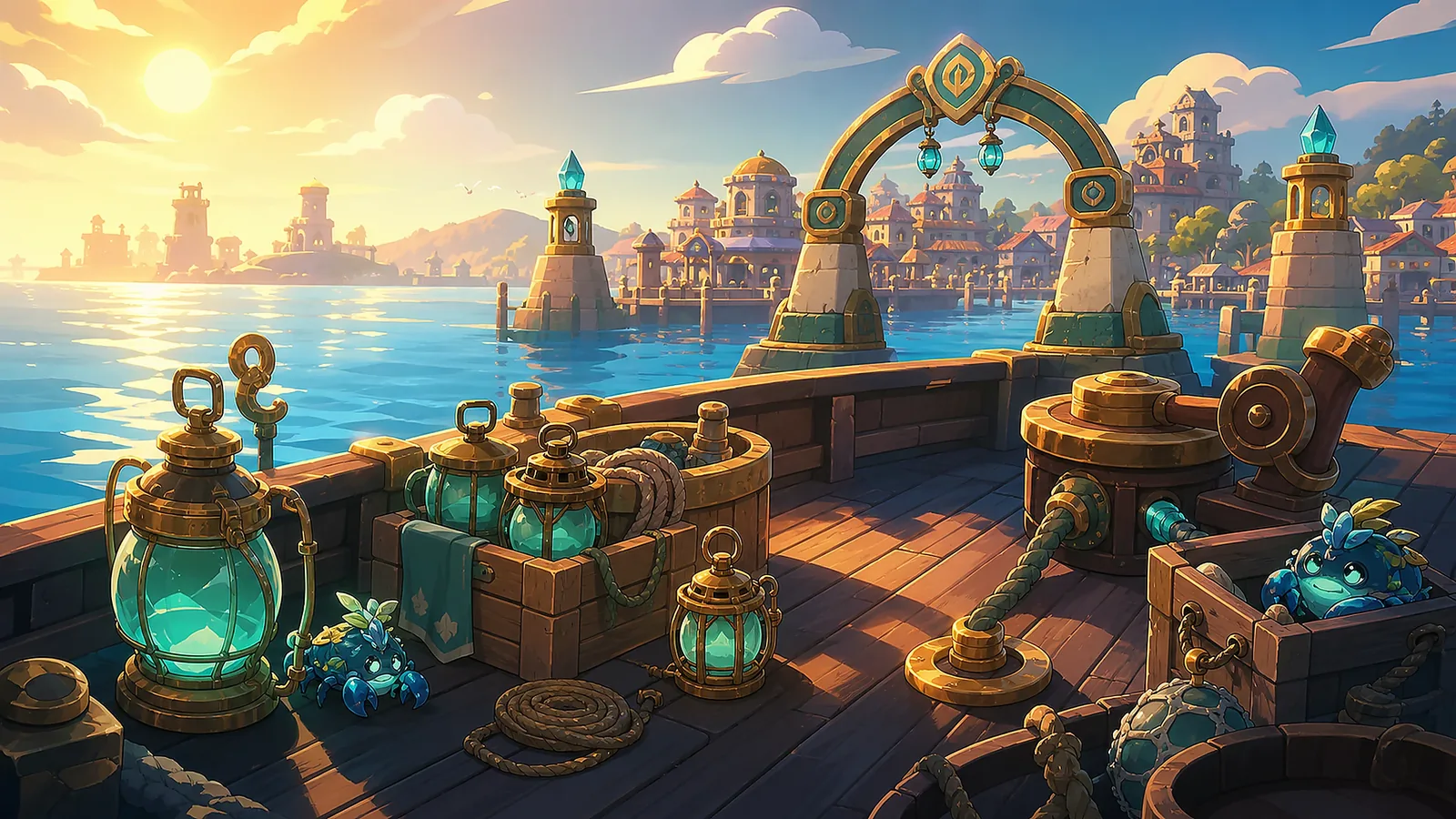
Instanced means your party gets its own private copy of the dungeon: no queue for the boss, nobody stealing your kill. Seven dungeons sit under the seven order halls, and the floors below them keep going down.
OpenEvery hall dungeon and every floor of the Descent is yours alone while you are inside it. Nobody else can queue for your boss, drag extra monsters onto you, or race you for a kill.
Party size is 1 to 4 everywhere. Solo is a supported way to play the whole ladder, not a hard mode you are tolerated in.
A hall dungeon is entered from that order's hall. You walk in through the place that trained you, which is the point.
The four master trials of an order are four different problems. None of them is the same fight with more health.
| Hall | Lv 10 | Lv 40 | Lv 70 | At the bottom |
|---|---|---|---|---|
| the Gatehouse the Wallsworn | The Long Watch | The Sally · The Gap | The Faultline · The Standard at Ashford · The Yearly Standing · The Immovable Hour | Grannock, the Gate That Fell The only gate Aegemar ever lost, still trying to close. |
| the Leaning Spire the Starspire | The Book That Does Not Exist | The One-Night Reading · The Unfinished Sentence | One Word · The Falling Night · The Margin · The Sentence | The Misread Word Something the world wrote down wrong and then obeyed. |
| the Hunt Lodge the Wildhunt | Follow the Blind Hawk | The Long Quarry · The Verse Nobody Owns | One Arrow · The Blind Hawk's Heir · The Overgrowth Fair · The Wildstep | Bramblecrown A crown of thorns wearing the wood that grew it. |
| the Chapel of the Dawnhearth the Dawnflame | The Candle Through the Storm | The Long Night Ward · The Doorway | The Sunrise · The Vigil · The Brand · The Edge of Dawn | Aurent, the Unended Morning Dawn with nothing after it. Nothing you heal stays healed. |
| the Hushdoor the Moonveil | Find the Hall | The Unheard Room · The Ledger | The Hush · The Kind Cup · The Jest at the Quiet Feast · What She Keeps | The Long Kindness It is only trying to let you rest. It will not take no. |
| the Emberhold the Emberforge | Your Own Token | The Commission · The Field Repair | The Masterwork · The Elixir · The Furnace Door · The Engine | The Masterwork Ignivar's finest piece, and it has opinions about being finished. |
| the Kennel-Lodge the Packsworn | Earn One Wild Thing's Trust | The Second Name · The Body Between | The Moot · Den Ward · The Long Merge · Two Bodies, One Hunt | Oathfang A bond whose other half never came back. |
Every dungeon in Lumoria is built around one sad story. Seven of them finish the seven order questlines. Below those, the Descent keeps going down with no bottom.
| Tier | What it is | What that means |
|---|---|---|
| 1 | Feral godspawn | Overworld fauna budded from the gods' overflowing moods: wall-runts, ink-moths, bramble-hares, pack-pups. Not enemies. At worst overgrown. |
| 2 | Court-touched | Where a vault-mouth leaks, the nearby world tarnishes. Gilt gone wrong on a bright creature, never a dusk grade. |
| 3 | The Minted | Coins that learned to walk: light that was loved wrongly, struck into cold imitations of life. This is what a dungeon is made of. |
| 4 | Vault Vanguards | What stands at a door that was closed on purpose, and has had a very long time to think about it. |
| 5 | Knights of the Sunless Court | The Eighth kept his share of the First Light instead of spending it. These are what kept it with him. |
| 6 | The Sunless King | The Descent's horizon. Sealed by the seven, and the reason there are eight chairs at a table for seven. |
Keep reading: what waits at the bottom · the hunt board
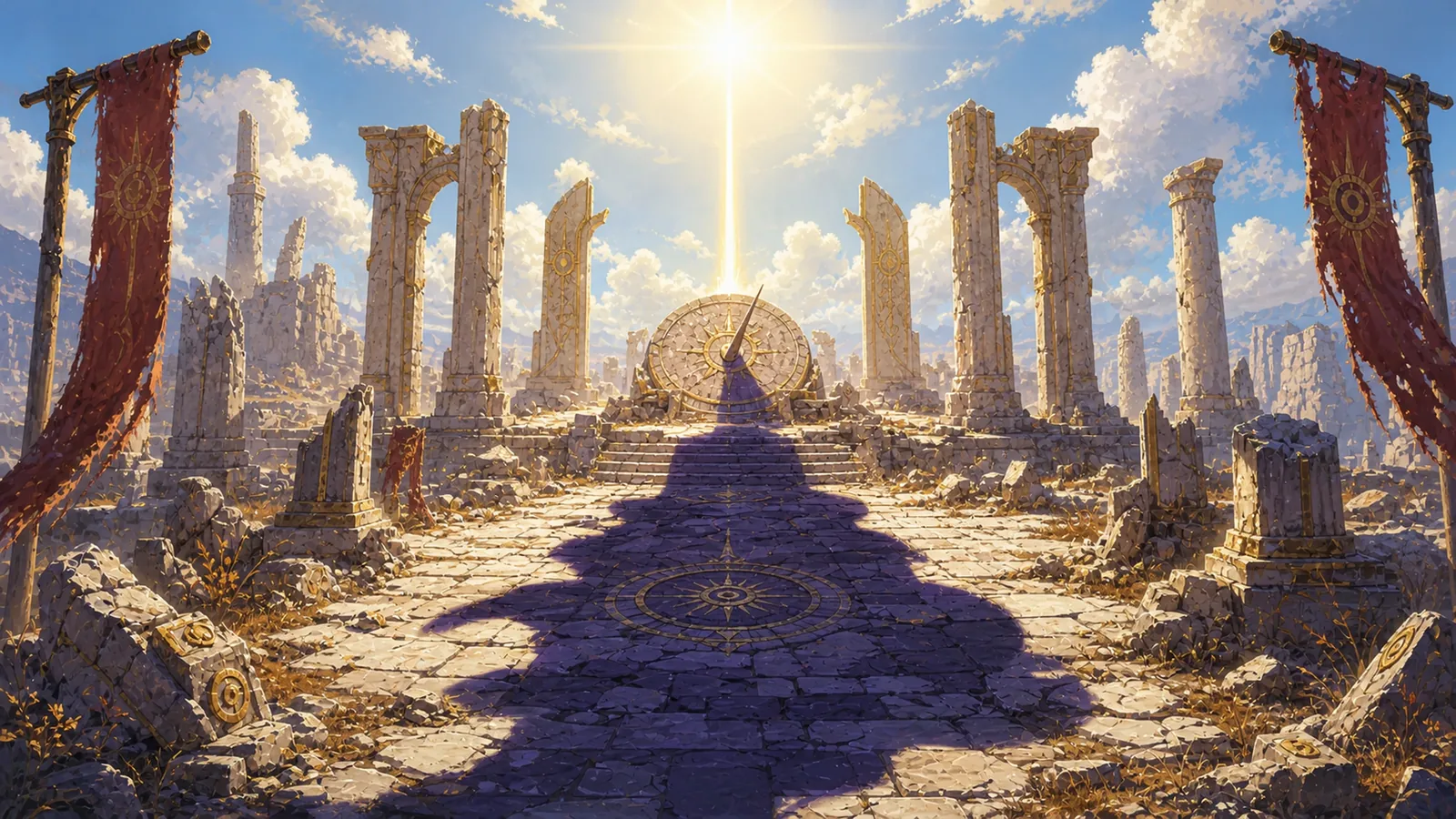
Hunts are repeatable jobs off a board in town: kill one named target, thin out a swarm, or bring something back. Take one in an evening and be home by dark. They pay Oathtokens, the coin you can only earn at your own god’s hall.
OpenOne named monster is waiting at the bottom of a dungeon. You go down, kill it, and come back.
Too many of one creature have got loose. Kill enough of them before the swarm reaches the road.
Get an item out of a place that does not want to give it up and carry it home. Carrying it slows you down, so the trip back is the hard part.
| Hunt | Kind | Tier | Level | Party | Tokens |
|---|---|---|---|---|---|
| Bramble Vault Cull Cull the Minted strays loose beneath the Bramble Vault. | Cull | 1 | 3 | 1–4 | 5 |
| The Gloamstep Relay Break the gloomling relay and corner Umbra before it reforms. | Boss | 1 | 4 | 1–4 | 7 |
| The Lanternglass Cache Recover the lanternglass cache and carry it back to the Vault door. | Recovery | 1 | 4 | 1–4 | 6 |
| The Sevenhorn Switchback Climb the horn-marked switchback and earn passage from the Sevenhorn Waywarden. | Boss | 1 | 7 | 1–4 | 8 |
| The Noonshade Countermarch Reverse the Noonshade's marching host, then end its eclipse. | Boss | 2 | 6 | 1–4 | 11 |
| Gloomspawn Purge Purge the gloomspawn packs nesting in the Unlit Vault. | Cull | 2 | 6 | 1–4 | 8 |
| Kindle the Verdant Shrines Kindle the old shrines below Suncradle while the godspawn press in. | Recovery | 2 | 6 | 1–4 | 9 |
| The Tideglass Recovery Recover the drowned tideglass from the flooded Vault and bear it back. | Recovery | 2 | 7 | 1–4 | 9 |
| The Lanternfall Depths Carry the last light through the rootwall and face the Deeproot Keeper. | Boss | 2 | 8 | 1–4 | 11 |
| Bounty: Starcap Triune Follow the Suncradle trail and scatter the Starcap Triune. | Boss | 2 | 8 | 1–4 | 12 |
| Bounty: Sevenhorn Waywarden Descend to the boss room and fell the Sevenhorn Waywarden. | Boss | 2 | 8 | 1–4 | 12 |
| The Starcap Convergence Follow three bright trails to the hollow where the Starcap Triune converges. | Boss | 2 | 9 | 1–4 | 11 |
| The Pearlthrone Undertow Push through the rising undertow and unseat the Pearlthrone Clamdragon. | Boss | 2 | 12 | 1–4 | 13 |
| Bounty: Pearlthrone Clamdragon The Pearlthrone Clamdragon holds the deep Vault. End it. | Boss | 3 | 12 | 1–4 | 18 |
The Descent hunts, Gloamstep, Lanternfall, Noonshade, Pearlthrone, Sevenhorn, Starcap, are the overworld end of the ladder below the world. When a vault-mouth leaks, this is the board it leaks onto.
Keep reading: the ladder below the world · what Oathtokens buy
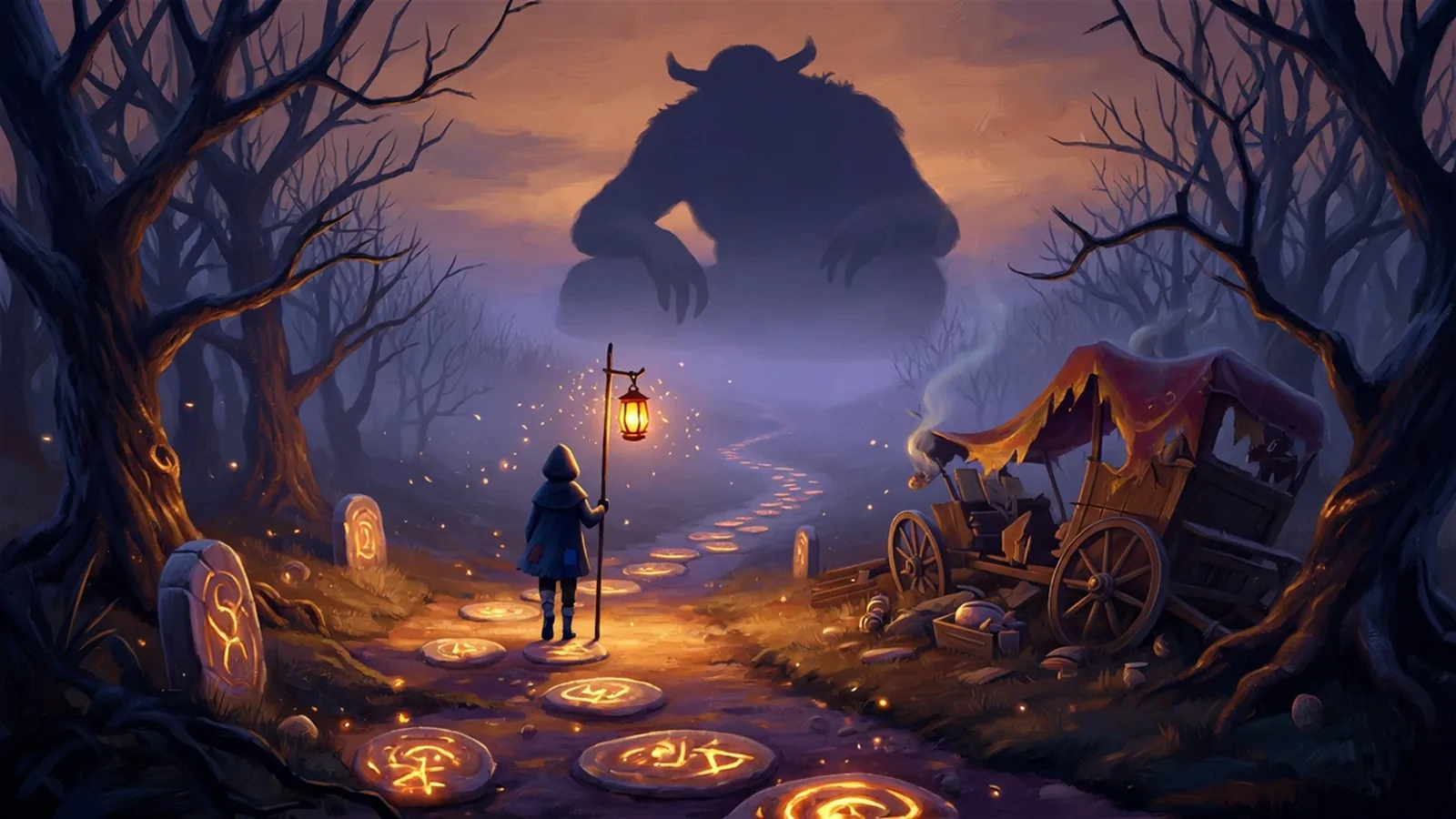
Crafting is four actions: make, break down, upgrade, repair. A drop gives you what the world felt like giving. Crafting gives you the piece you asked for, and you never need a second character to get it.
OpenMake a chassis in a band and <b>choose its affix family</b>. That choice is the whole value proposition: drops give you what the world felt like giving, crafting gives you what you asked for.
A Smith profession passive, not a combat skill. Unwanted drops become feedstock instead of vendor coin, the mechanism that stops item inflation without a single tuning number.
Improves a dropped item inside its band. <b>Reinforcement never destroys the item.</b> It can fail and eat materials; it cannot eat the piece. Destructive enhancement is a live-team feature and we do not have a live team.
Durability is spent by use and by death. This is the game's always-on coin sink, and it self-scales: better gear costs more to keep, so the richest players pay the most without anyone tuning anything.
Every item has a chassis: its armour type and the slot it goes in, plus exactly one bonus family. That is only two things to read, so what a drop is for stays obvious. It also settles the busiest argument in the game: eleven classes across two orders want cloth for opposite reasons, so cloth rolls either Written or Kindled bonuses, never both. A Starspire mage and a Dawnflame priest standing over the same drop are not looking at the same item.
| Family | What it serves | Who reaches for it |
|---|---|---|
| Written | spell force, cast pressure, spell reach | the Starspire |
| Kindled | restoration weight, overheal, ally-facing effects | the Dawnflame |
| Anchored | mitigation, block, threat-holding | the Wallsworn |
| Keen | precision, crit, the honest-shot stats | the Wildhunt |
| Quickened | attack and movement speed, evasion | the Moonveil |
| Wrought | durability, salvage yield, craft outcome | the Emberforge |
| Bonded | companion strength and survival | the Packsworn |
| Rooted | flat endurance, the plain survivable roll | anyone, the low-pressure default |
A crafter can always make you a solid, correct-family piece for your band. Nobody is ever stuck naked because the dice hate them.
The strongest chassis in the world come from world bosses and deep questlines. Crafting cannot conjure them.
The best item in the game is a dropped chassis <b>finished</b> by a crafter: reinforced, reforged into the right family, kept in repair.
Keep reading: the three currencies · what money cannot buy
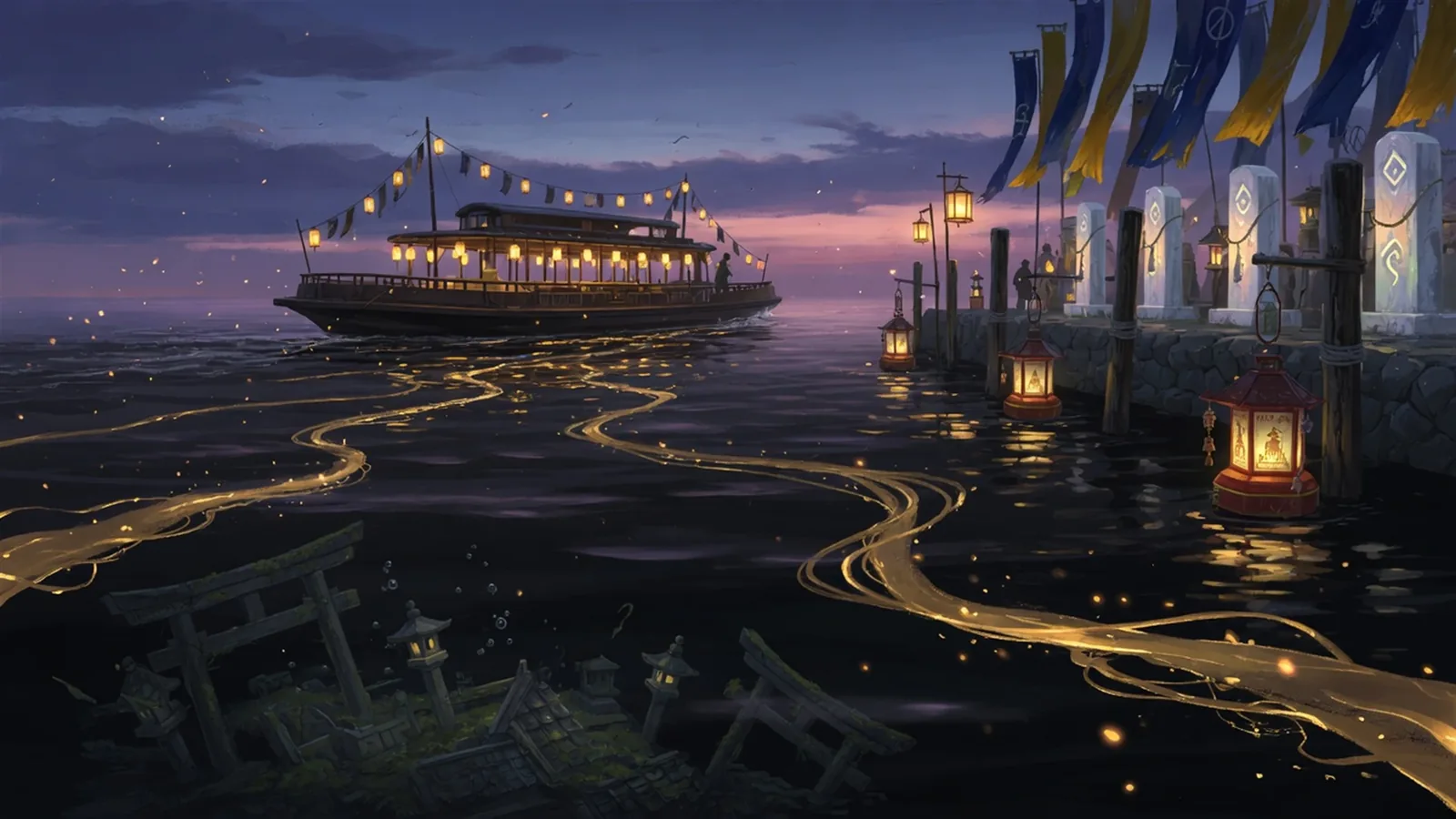
Three currencies, and only one of them costs real money. That one buys premium skins and nothing else: no power, no Oathtokens, no shortcuts. The starter meadow still pays you at level cap, because materials only come from the land that grows them.
OpenStruck at Suncradle. What the world pays you and what the world charges you.
Each order mints its own. You cannot buy Oathtokens, and no player can hand you theirs.
Buys premium skins. It buys nothing else, ever, not a Look, not an Oathtoken, not a shortcut.
Materials are goods, not currency, and are deliberately never given a currency face, anything that becomes a currency by accident is something one person has to police later.
Because you never lose levels, a max-level character in a starter meadow will always be far too strong for it. Raising every zone to your level would fix that, but it would need tuning forever. Instead, four permanent rules make the meadow pay you in materials, the one reward that cannot lose its value.
| Rule | What it does |
|---|---|
| The land gives what grows there | Materials are zone-native and not substitutable. Bramblewood thread comes from Bramblewood. No high zone drops a low zone's materials as a convenience. |
| Every recipe reaches one band down | A high-tier crafted piece consumes high-tier materials <b>and</b> something from the band below it. This one rule is what keeps a launch-day meadow economically live at level cap. |
| The Tithe | Coin and rare drops from a zone far beneath your standing are reduced. Gathering is untouched, which kills the bot faucet and leaves the legitimate reason to be there intact. |
| The take is bound to the character | Loot keys on the zone, the source and the character, never on the class you are currently wearing. Switching orders changes what you play; it must never change what the world pays. |
| Mechanism | Why it works unattended |
|---|---|
| Repair, proportional to gear band | The always-on drain. Richer players pay more automatically, so the sink grows with the economy on its own. |
| Consignment tax, proportional to price | Removes coin from exactly the transactions that create the most of it. |
| Materials over coin at the faucet | Goods deflate gracefully because they get consumed. Coin does not. |
| The Tithe | Coin from far-below-level content is reduced, <b>materials and gathering nodes are not</b>. A max-level player farming a starter zone is gathering, not earning. |
| Salvage as the item sink | Every wrong-family drop leaves the economy as feedstock instead of sitting in a bank forever. |
| A vendor floor with no vendor ceiling | NPCs buy at a floor so nothing is worthless, but they sell no power, so player prices can never be arbitraged against a fixed price. |
Keep reading: where materials go · the meadow itself

A Look is the outfit your character visibly becomes when you promote: new armour, same face, every time. Every Look is earned, and money cannot buy one.
OpenClass Looks 1, 2 and 3 come from promotion. Oathtokens buy order dyes, marks and hall regalia. Every piece of it is earned, bound, and costs no money. This is a hard line, not a preference.
Emberlight buys premium skins: separate art, separate shelf. It can never buy a Look, an Oathtoken, or anything on the earned ladder. Not discounted, not accelerated, not bundled.
A Look is appearance. It has never carried a stat and it never will, so nobody is ever wearing something they hate because it is optimal.
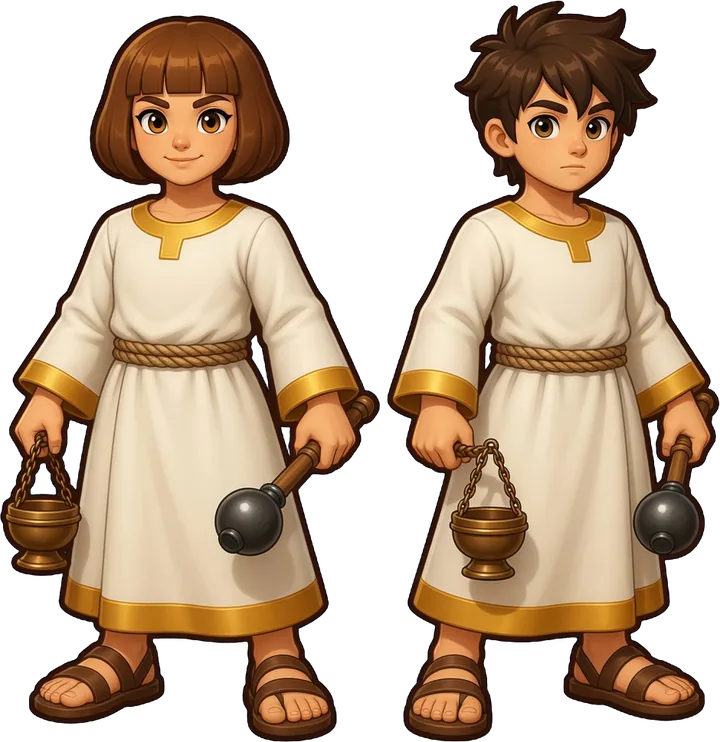
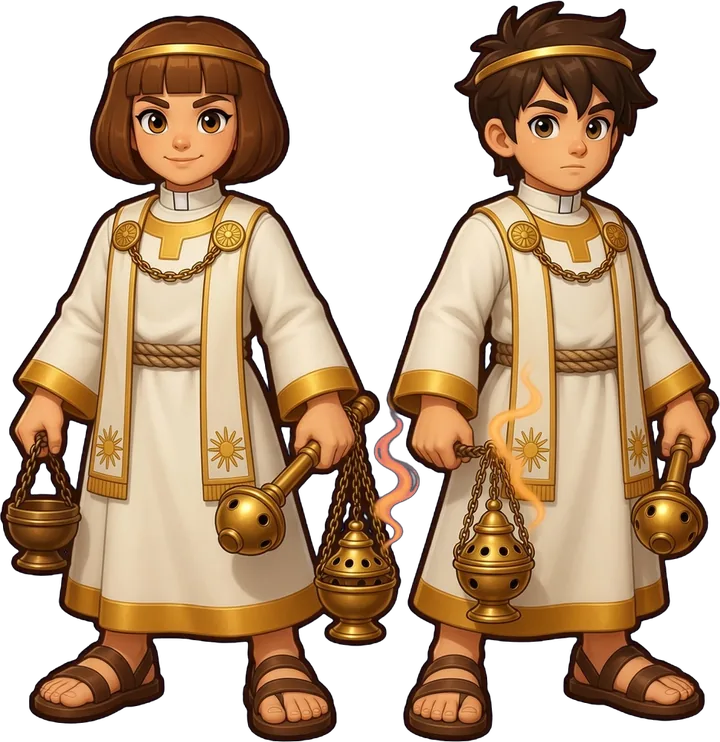
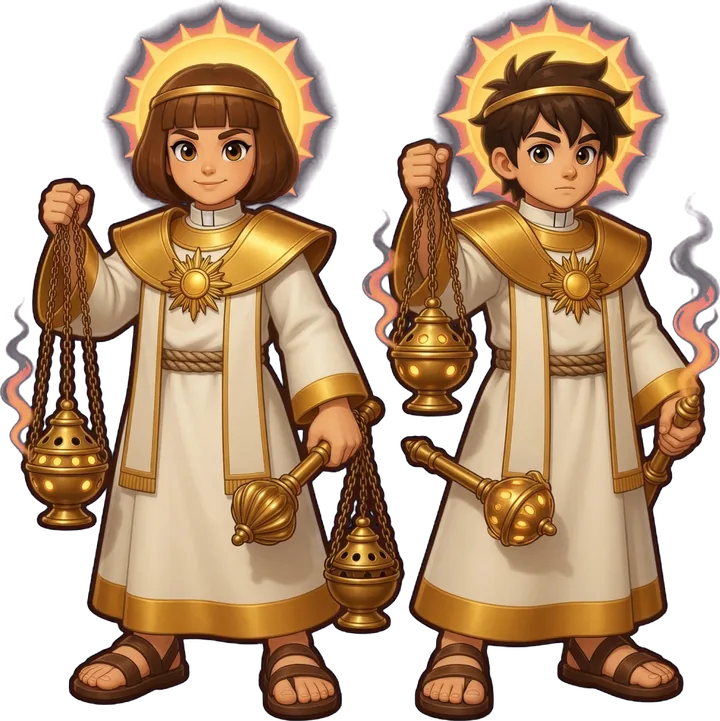
Each tree is drawn as one girl and one boy who keep their faces from first oath to master. Promoting feels like your character growing rather than being replaced.
One branch of the Dawnflame, first oath to master. Same person, same face, more of them each time, and the frame around each plate gains ornament as the rank does. Nothing here was bought. You also choose: two looks at the branch, three at master.

Keep reading: every look, tree by tree
Late on, you may kneel to a second god and take one fusion identity for that pair. Seven gods make twenty-one pairs, so twenty-one fusions exist and no more. Your first order stays your class the whole way through.
OpenPrimary tree, Looks, role identity, promotions, all unchanged. The Second Oath adds; it never replaces.
Each pairing gives one fusion class: a small set of skills taken from where the two orders overlap. You keep everything you already had.
You get that pair's fusion lane and its flavour, not the second order's full tree. This is fusion, not multiclassing.
You walk a new trial written for this pair, and carry a matching one back to your first hall. Neither master hands it over. Each wants proof the other order has not simply bought you.
The gate opens at half your main level, not at cap, a near-cap gate would make the whole system invisible for most of a character's life. You take exactly one Second Oath, for life. Pairs are unordered: each lane supplies, in miniature, the half you lack.
| Wallsworn | Starspire | Wildhunt | Dawnflame | Moonveil | Emberforge | Packsworn | |
|---|---|---|---|---|---|---|---|
| Wallsworn | Graven Oath | Thornhold | Radiant Bastion | Silent Bulwark | Siegewright | Shieldpack | |
| Starspire | Graven Oath | Wildscript | Writ of Morning | Written in Shadow | Emberscript | Skybond | |
| Wildhunt | Thornhold | Wildscript | Dawnhunt | Moonhunt | Ironbriar | Wild Chorus | |
| Dawnflame | Radiant Bastion | Writ of Morning | Dawnhunt | Duskhearth | Hearthforge | Hearthbond | |
| Moonveil | Silent Bulwark | Written in Shadow | Moonhunt | Duskhearth | Ashveil | Quiet Pack | |
| Emberforge | Siegewright | Emberscript | Ironbriar | Hearthforge | Ashveil | Ironhound | |
| Packsworn | Shieldpack | Skybond | Wild Chorus | Hearthbond | Quiet Pack | Ironhound | |
| The Sunless King | , | , | , | , | , | , | , |
The fantasy: a shield wall that heals everyone standing behind it.
It grants: a raised barrier that mends the allies behind it while it holds, a burst of guarded healing on a long cooldown that ends the moment the barrier breaks, and never scales with healing power. It is a saving throw, not a healing lane. Wallsworn holders gain the mending; Dawnflame holders gain a wall to hold it behind.
Why the two gods argue: Aegemar visits the seal each year and stands; Aurelith keeps the hearth lit for the one still walking, the two most patient gods, finally holding the same line.
The fantasy: your companions howl the Minstrel's song.
It grants: a beast-choir: one carried refrain that a companion holds and keeps singing as it roams, so the song walks the field without you. This is the clearest case of the symmetry rule, a Wildhunt holder is given the companion that carries it, a Packsworn holder is given the refrain it carries. Neither is asked to already own both halves.
Why the two gods argue: Sylvara and Fenriel are sister-rivals, the hunt against the bond, this is the one oath the sisters both claim, and both resent, and neither will let go.
The fantasy: a silence-rune inscribed on a sleeping target.
It grants: a sleeping mark: a glyph set on an unaware target that does not fire until they act, and takes their first action with it. Unlike an ordinary silence it is placed before the fight, cannot be dispelled while the target is unaware, and is the only seal that survives being interrupted. Starspire holders gain the concealment; Moonveil holders gain the glyph.
Why the two gods argue: Caelendra writes names into being; Vesperine keeps the ones the world took back, the scribe and the keeper, arguing over the same page.
The fantasy: a saboteur of forged poisons and traps no one sees coming.
It grants: a planted charge: a forged trap or poison set from concealment that stays hidden until it is stepped on. Moonveil holders gain the making; Emberforge holders gain the hiding.
Why the two gods argue: Ignivar built the chain, with Aegemar's stone, and Vesperine keeps its prisoner's name; he knows how the seal was made, she knows what it cost, and neither will speak of it.
The fantasy: a radiant hunter whose arrows carry the sunrise.
It grants: a dawn-marked shot: strike a target you have marked and a little of that light returns to a hurt ally. It pays out on your own mark only, never on ordinary fire. Wildhunt holders gain the light; Dawnflame holders gain the range.
Why the two gods argue: Aurelith keeps the hearth for the one still walking; Sylvara is always the one still walking, and never comes to the table.
The fantasy: a healer who works in the dark: easing pain, hiding the wounded.
It grants: a covered mercy: one hurt ally may be lifted out of sight while you mend them: once per fight, and the cover breaks the instant either of you strikes, which is what separates it from an ordinary sanctuary. Dawnflame holders gain the concealment; Moonveil holders gain the mending.
Why the two gods argue: Vesperine offers the gentle ending; Aurelith keeps the empty place set and never says he's gone, she offers to let the grief rest, and every dawn Aurelith sets the place again.
The fantasy: living runes forged onto gear that fire in the swing.
It grants: a written edge: a forged weapon or plate carrying one live rune that fires on the swing and can be re-inscribed between fights. Starspire holders gain the forge; Emberforge holders gain the script.
Why the two gods argue: Ignivar forged the world, Caelendra wrote it, they disagree over whether it was built or written, and both are a little right.
The fantasy: an unbreakable line that remembers every word carved into it.
It grants: one inscribed ward-stone you plant and hold: it braces everyone behind it and carries a single written glyph. Wallsworn holders gain the glyph; Starspire holders gain ground worth standing on.
Why the two gods argue: Aegemar carves in stone and never explains; Caelendra regrets one written word and fears what he'll make permanent.
The fantasy: a healer whose bonded beast guards the fallen and carries the hearth.
It grants: a warding companion: a beast carrying a small hearth-aura that may throw itself in front of one killing blow: once per fight, and it is spent doing so. Dawnflame holders gain the beast; Packsworn holders gain the hearth.
Why the two gods argue: Aurelith keeps a place for the friend who left; Fenriel would have gone down after him. One keeps the door open and waits; the other wants to walk through it, and the two of them have never once agreed which is the kindness.
The fantasy: consecrated forge-fire, weapons blessed and burning at once.
It grants: a forged consecration: a ring hammered into the ground that outlasts your own death and can be struck to spend the rest of its light at once, persistence and detonation being exactly what a blessed circle cannot do. Dawnflame holders gain the forge; Emberforge holders gain the blessing.
Why the two gods argue: Ignivar forged the seal weeping, Aurelith sets the empty place, both mourn the Eighth in fire, one at the anvil and one at the hearth, and neither will put it out.
The fantasy: a trapper who salts the field with forged engines of iron and thorn.
It grants: a built snare, a trap that resets itself a set number of times and can be repaired in the field. Wildhunt holders gain the engineering; Emberforge holders gain the ground-craft.
Why the two gods argue: Ignivar shapes the wild into tools; Sylvara loves it exactly where it can't be tooled, she uses his engines and resents needing them.
The fantasy: war-hounds in forged plate: you build and you bond, both at once.
It grants: forged barding: armor for one companion that can be repaired, upgraded and reforged between fights. Emberforge holders gain the companion; Packsworn holders gain the smithing.
Why the two gods argue: Ignivar says every talent is a spark to be shaped; Fenriel says a bond can't be forged, only earned, they build the same war-hound from opposite ends, and it works anyway.
The fantasy: you stalk unseen, then loose one perfect shot by moonlight.
It grants: a held breath: you may go unseen at range, and the first shot out of concealment cannot be dodged. Wildhunt holders gain the concealment; Moonveil holders gain the distance.
Why the two gods argue: Vesperine offers gentle, quiet endings; Sylvara's hunt is neither, the moon keeps trying to make the huntress merciful, and mostly fails.
The fantasy: a silent pack that hunts from the shadows.
It grants: a shared vanish: you and one companion go unseen together and strike out of it as a pair. Moonveil holders gain the companion; Packsworn holders gain the dark.
Why the two gods argue: Vesperine gives gentle endings and works alone; Fenriel says no one hunts alone, the goddess of quiet mercy learns to keep a hound, and pretends she didn't want to.
The fantasy: you and your bonded beast become one immovable line.
It grants: a bonded beast that holds ground with you: it plants where you plant, takes a share of what is aimed at you, and challenges anything trying to walk past. Wallsworn holders gain the beast; Packsworn holders gain the discipline that makes it stand.
Why the two gods argue: Aegemar's oath is to a stone that never moves; Fenriel's bond is to a wild thing that always might, they argue whether loyalty is a wall or a leash.
The fantasy: a bulwark that builds its own fortifications mid-battle.
It grants: a work anchored to your own guard: an emplacement that inherits your block, cannot be flanked while you stand with it, and can be struck back into scrap for a burst of cover, none of which an ordinary Field Forge does. Wallsworn holders gain the building; Emberforge holders gain a line to build it into.
Why the two gods argue: Ignivar forged the chain and Aegemar's stone helps hold it: two makers of one prison, and neither says the name of who's inside.
The fantasy: the guardian no one sees until the moment they're stopped.
It grants: a concealed guard-stance: you brace unseen, and breaking cover is itself the challenge that pulls every eye onto you. One hard opener, never sustained hidden tanking, which would break the threat model. Wallsworn holders gain the vanish; Moonveil holders gain the one moment they can afford to be seen.
Why the two gods argue: Aegemar keeps the yearly seal, Vesperine keeps the struck name, two keepers of sealed things who understand each other far too well to speak of it.
The fantasy: your companions are named into stars and called down from the night sky.
It grants: a star-tether: one companion named into the sky, which you may call back to your side after it falls, a recovery on a long cooldown, not a free resummon, so losing a beast still costs. Starspire holders gain the companion; Packsworn holders gain the tether.
Why the two gods argue: Caelendra named every thing once and wrote it fixed; Fenriel says a true bond is never finished being named, and they argue over every pup's.
The fantasy: a living fortress of stone and briar that grows where you plant your feet.
It grants: a briar-anchor, a claimed patch of ground that both blocks a lane and snares whatever crosses it. Wallsworn holders gain the thorns; Wildhunt holders gain a wall worth standing behind.
Why the two gods argue: Aegemar builds walls to shelter what is inside them, and stands outside all of them; Sylvara loves the garden best where it climbs over anyway.
The fantasy: your songs are written into the world, and the wild sings them back.
It grants: a written refrain: one song that, once sung, leaves an inscribed patch of ground still playing it after you move on. Wildhunt holders gain the writing; Starspire holders gain a verse worth writing.
Why the two gods argue: Caelendra wrote the world in one fixed night; Sylvara sings off the page on purpose, and loves the verses that refuse the script.
The fantasy: you write light itself, healing and holy fire spelled into being.
It grants: a written dawn, a spelled circle that grows stronger the longer it is left standing, mending or burning by what stands in it. Starspire holders gain the light; Dawnflame holders gain the pen.
Why the two gods argue: Caelendra regrets one written word; Aurelith refuses to say a name is gone, put them together and the unwritten name sits very close to the surface.
The Eighth stands at no hall and attends no rite. There are seven gods a soul may lawfully swear to and therefore twenty-one lawful fusions. Yet the Moonveil keep one rumour they will not repeat: that a soul who has sworn everything it is allowed to swear may still, once, be offered an oath more: extended from below, by a hand that carries no light, at a rite no living master will attend. Whoever asks about it a second time is simply never answered.
Keep reading: your first oath comes first · the twenty-second